
Welsh gamebird releasing consultation – guidance and background
Game shooting in Wales is under attack. Read our guidance and background information and complete the consultation today.

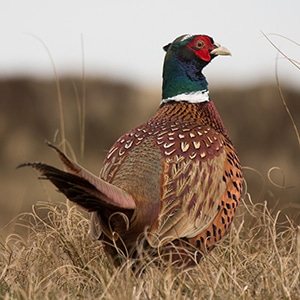
Get information on the legal shooting season for mammals and birds in the UK.
Apply for funding for your project or make a donation today

Comprehensive information and advice from our specialist firearms team.

Everything you need to know about shotgun, rifle and airgun ammunition.

Find our up-to-date information, advice and links to government resources.

Everything you need to know on firearms law and licensing.
All the latest news and advice on general licences and how they affect you.
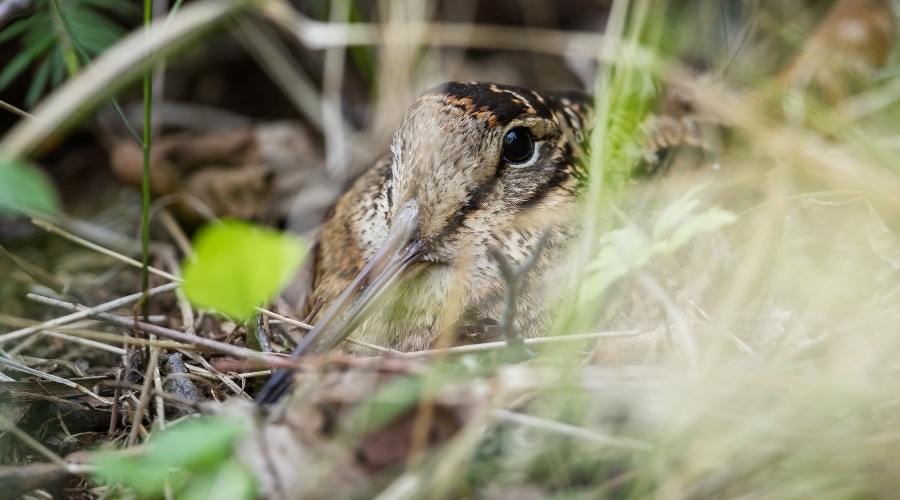
The woodcock is a magnificent quarry species. By taking part in a GWCT and BTO survey, you can actively contribute to its conservation.
Steeped in history and tradition, the story and ecology of the wily woodcock makes for a great read.
Every year a healthy population of 1.5 million woodcock migrate to the UK to overwinter in warmer climes. However, our smaller resident population is not doing as well.
The Birds of Conservation Concern 2015 report added the species to the red list due to severe declines in their breeding range.
The GWCT and BTO coordinate and run a national breeding woodcock survey every ten years. The first took place in 2003 and then again 2013. This year will see the third survey undertaken.
The survey provides population estimates which will allow an assessment of its size as well as localisation.
The findings will go a long way to helping produce any future management policies for woodcock.
You could be part of this vital conservation work by subscribing as a volunteer counter of woodcock in your area.
The survey requires volunteers to visit one or more 1-km squares all around the UK and count male roding woodcock by recording each flypast seen or call heard during a 75-minute visit at dusk.
Volunteers are asked to make a first reconnaissance visit in April to the sites they wish to count to find the best vantage point for counting and / or flag up any access issues.
For the main survey, volunteers are then required to make three counting visits of their allotted square between 1 May and 30 June 2023.
Each visit must be at least one week apart and should start 15 minutes before sunset and last for a total duration of 75 minutes.
In order to gather information about the breeding range of woodcock it is important that data is logged for squares where no woodcock were recorded, too.
More survey resources and instructions, including woodcock call recordings, can be found here.
Game shooting in Wales is under attack. Read our guidance and background information and complete the consultation today.

BASC has launched a GSC1 course aimed at the novice shot to improve success in the field and provide an accessible route into game shooting.

Transport yourself to stunning Calderdale with the Moorland Chorus, capturing the sounds of dawn breaking on grouse moor teeming with life.
We use cookies to improve your experience on our site. By using our site, you consent to cookies.
Manage your cookie preferences below:
Essential cookies enable basic functions and are necessary for the proper function of the website.
These cookies are needed for adding comments on this website.
Google reCAPTCHA helps protect websites from spam and abuse by verifying user interactions through challenges.
Google Tag Manager simplifies the management of marketing tags on your website without code changes.
Statistics cookies collect information anonymously. This information helps us understand how visitors use our website.
Clarity is a web analytics service that tracks and reports website traffic.
Service URL: clarity.microsoft.com (opens in a new window)
You can find more information in our Cookie Policy and .