
BASC responds to general election result
BASC has issued the following statement in response to the result of the general election yesterday, 4 July.

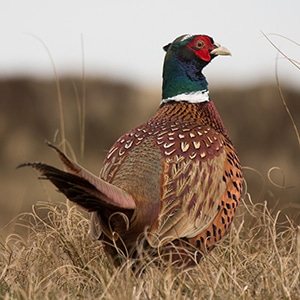
Get information on the legal shooting season for mammals and birds in the UK.
Apply for funding for your project or make a donation today

Comprehensive information and advice from our specialist firearms team.

Everything you need to know about shotgun, rifle and airgun ammunition.

Find our up-to-date information, advice and links to government resources.

Everything you need to know on firearms law and licensing.
All the latest news and advice on general licences and how they affect you.
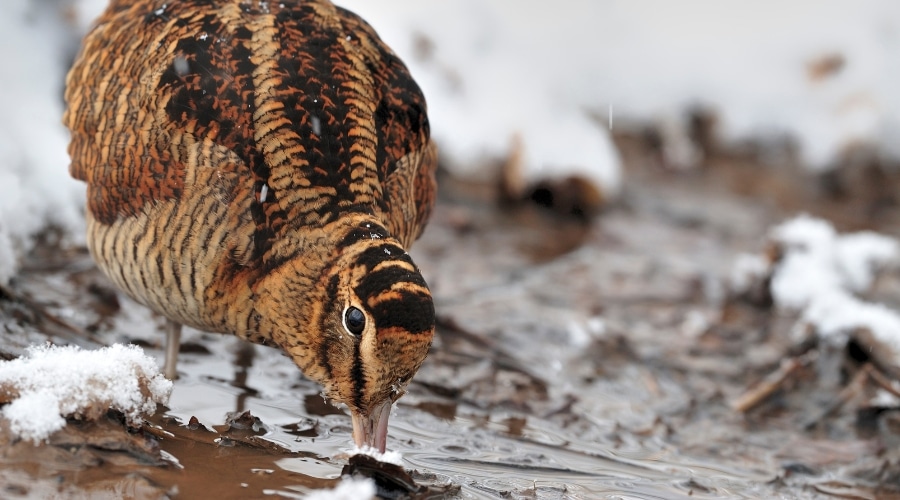
A debate on a petition to limit the shooting season for woodcock held in Parliament yesterday saw MPs push back on claims made by Wild Justice, who instigated the petition.
BASC briefed MPs ahead of the debate to ensure that they would be in full possession of the facts on why limiting the season for woodcock is unnecessary.
The shooting community puts massive conservation effort into maintaining habitat for woodcock and has voluntarily limited shooting to the period after 1 December to ensure that shooting pressure is on migrant woodcock, rather than the small and declining resident population.
Across its range, woodcock are classified as a species of least conservation concern, with an estimated 1.6 million visiting the UK each year.
Furthermore, if we lost all or part of a shooting season, we would never get it back.
In a short debate without a vote, five MPs cited the brief provided by BASC directly, outlining arguments to show that the petition was not based on fact.
Parliamentarians speaking in support of retaining the woodcock shooting season outnumbered the sum of opposition MPs, with only three speaking in favour of the petition.
The debate was triggered following a petition calling to limit the woodcock shooting season reaching the threshold of 100,000 signatures, which then qualifies for a debate.
During the debate, Sir Robert Goodwill, MP for Scarborough and Whitby, emphasised the lack of effect that formalising the opening of the woodcock season to 1 December would have, stating: “The proposal in the petition will have little effect on the resident population, as only around 2% of birds that are shot are not migratory. Sustainable levels of shooting and the voluntary delay of shooting are the way forward, at least until we have more data.”
Sir Robert went on to stress the value of habitat creation and management, plus effective predator control, saying: “Instead, to encourage more woodcock, we can continue active habitat management – part of the changes in the way we support farmers will help that – and, in particular, look at more open woodland. Secondly, we need better predator control: foxes, mustelids, such as stoats, and feral cats are predating on our native species.”
Jim Shannon, MP for Strangford, outlined the importance and practicalities of self-regulation and voluntary restraint, commenting: “many shoots give the rules before the day begins. The rules are pheasants, no lowland game and no woodcock. They already do that. It is important that the sporting and shooting groups recognise the importance of woodcock, and exercise control and protection. Perhaps the RSPB and the British Trust for Ornithology should take note.”
Mr Shannon cited a lack of evidence for any change, saying: “With respect, there is no evidence that shooting has had a detrimental impact on the woodcock population, or that changes to the existing season are necessary.”
The impact of deer and predators on woodcock was conveyed by the MP for Buckingham, Greg Smith, who stated: “The deer population in Buckinghamshire is now completely out of control, and damaging farmland, habitats and the safety of biodiversity across the county, left, right and centre. Of course, foxes and other predatory animals do enormous damage to our wildlife.”
Mr Smith continued: “These factors are so much more important in the decline of the native species. If we take shoots and people interested in shoots who have a passion for conservation out of the picture, the habitats will get worse, not better. I respectfully disagree with the petitioners that this is a problem that needs legislation.”
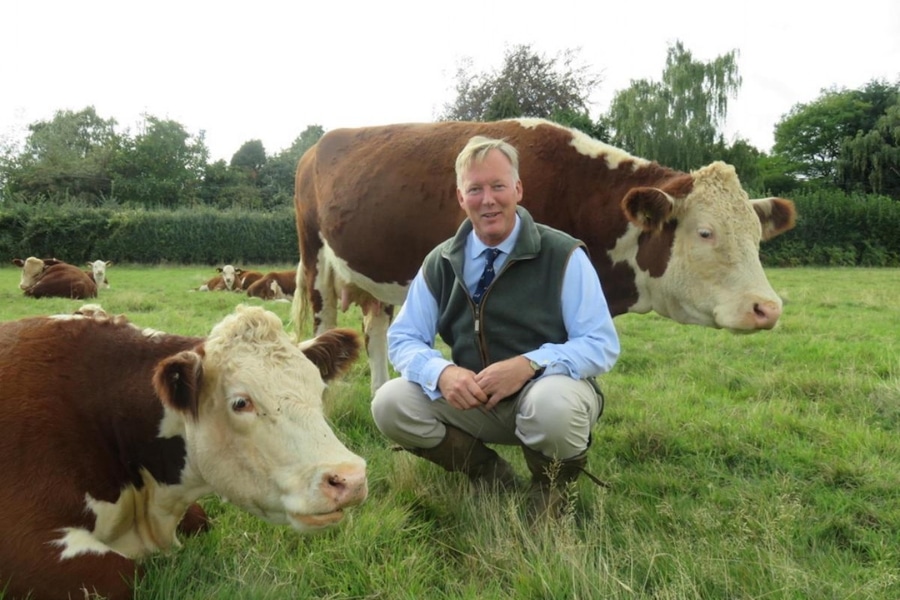
Sir Bill Wiggin, MP for North Herefordshire was firm in his view about any possible change to the law, saying: “I urge the House not to change the law on any of this. However, if the Government are minded to do so, let us have some proper changes.
“Let us have a longer shooting season for pheasants, which are not endangered at all. Let us have a longer period for catching up after the shooting season. Let us allow shooting on a Sunday. Let us stop people roaming around when there is shooting going on. Most of all, let us have a 10-year shotgun certificate, because now we are looking at people’s medical history and GPs have to check people’s mental health.”
Sir Bill continued: “So much progress has been made on protecting the public. Bringing people back to pay again and again wastes police time, costs a lot and is completely unnecessary. If we are going to change the laws on shooting season, then let us have a proper debate and change all the laws that need altering.”
At the conclusion of the debate, the Minister, Trudy Harrison, confirmed that the Government had requested that Natural England review the shooting seasons for a range of species, including woodcock.
Petitions committee debates rarely result in new laws being created but they are an opportunity for topics to be debated. By having the majority of MPs speaking against Wild Justice’s proposal, and therefore winning the debate, it was a clear indication to the Government that there is significant opposition to changing the woodcock season.
Read the full transcript of the debate here.
You can find more information on woodcock conservation here.
BASC has issued the following statement in response to the result of the general election yesterday, 4 July.
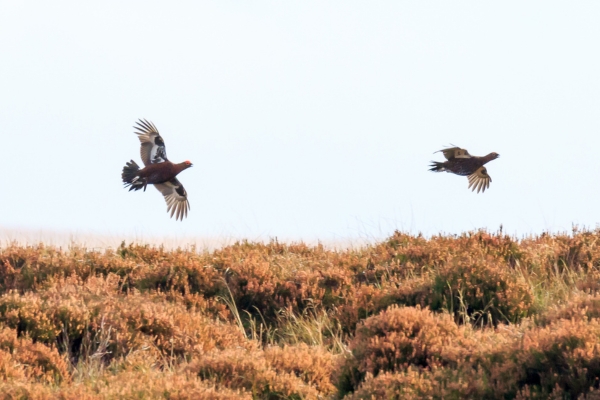
A second day of MSP voting on the Wildlife Management and Muirburn (Scotland) Bill has seen a vital BASC amendment accepted.
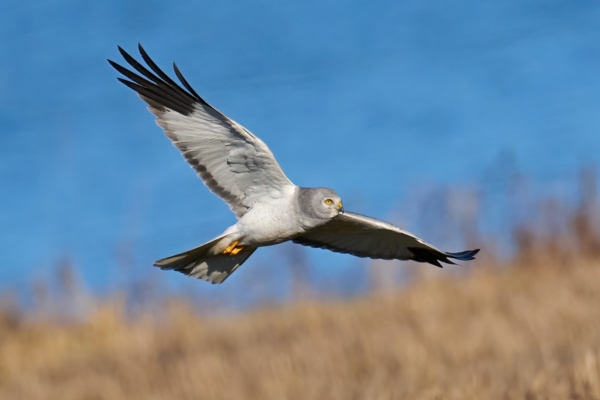
Read BASC’s statement in response to the publication of the RSBP’s latest Birdcrime report.
We use cookies to improve your experience on our site. By using our site, you consent to cookies.
Manage your cookie preferences below:
Essential cookies enable basic functions and are necessary for the proper function of the website.
These cookies are needed for adding comments on this website.
Google reCAPTCHA helps protect websites from spam and abuse by verifying user interactions through challenges.
Google Tag Manager simplifies the management of marketing tags on your website without code changes.
Statistics cookies collect information anonymously. This information helps us understand how visitors use our website.
Clarity is a web analytics service that tracks and reports website traffic.
Service URL: clarity.microsoft.com (opens in a new window)
You can find more information in our Cookie Policy and .