





Pest and predator control advice
Find out everything you need to know below. Whether you are new to pest control, or want more practical advice we’ve got you covered.
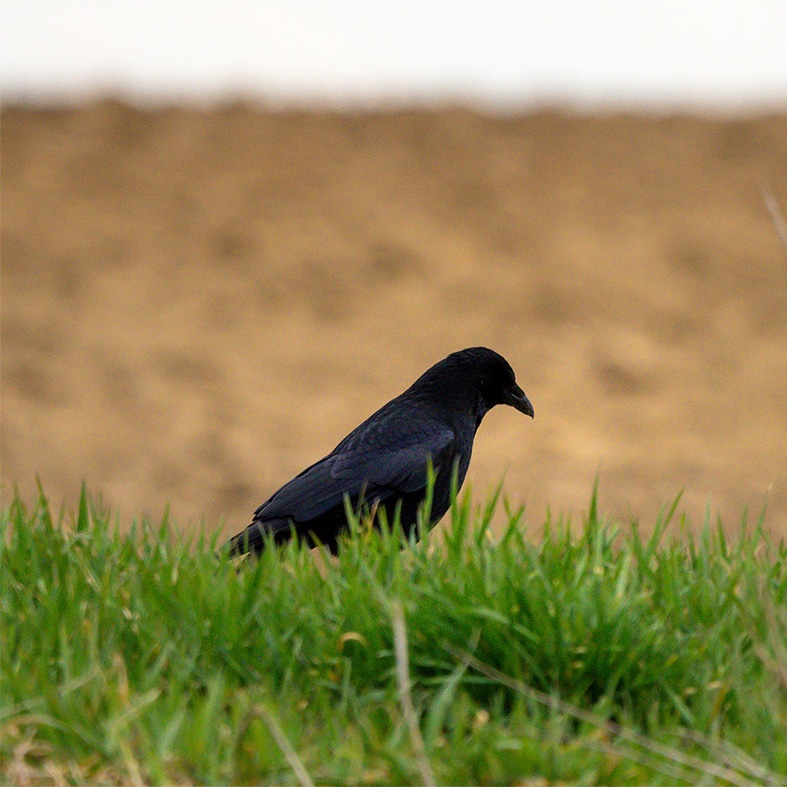
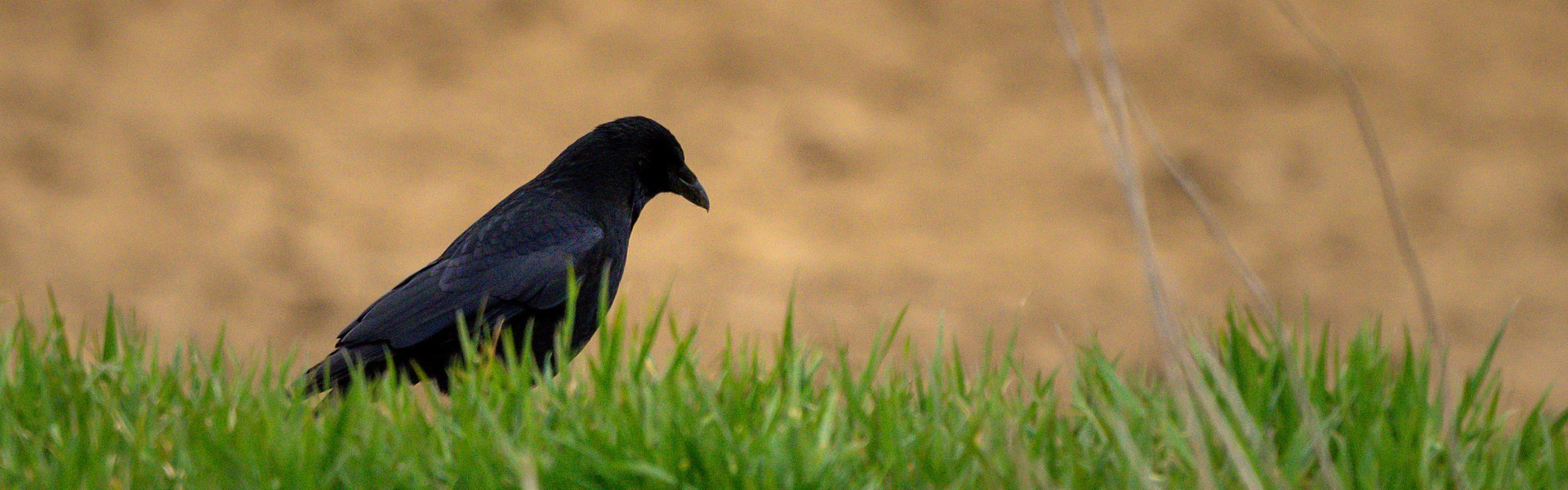
 Corvids can be prolific predators of young gamebirds, small mammals and young livestock, which is why they need to be controlled.
This can be done by a range of different methods but no one method is suitable for all circumstances.
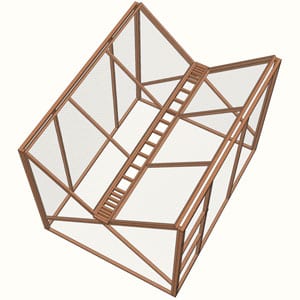
A strategically set ladder trap will catch birds when other methods of control either won’t work or are impractical.
Before setting a trap, it’s important you understand, and comply with, any appropriate legislation. It’s important you familiarise yourself with any relevant codes of practice.
Ladder, or multi-catch cage traps, are usually made of large, timber-framed sections covered with a small-diameter wire mesh and have a door for the operator to gain access.
These traps are specifically designed so that the target species can enter by a narrow opening – the ladder – but cannot escape when they attempt to fly out.
Ladder traps are often used in situations where large numbers of corvids are present. Unlike the smaller Larsen trap, the ladder trap is designed to catch a large number of birds in a short amount of time.
When deciding where to set the trap, look for areas near to large corvid populations or where the birds have been seen feeding regularly.
The trap can then be erected – with the door fixed open and the roof sections off. The trap can then be baited; typically with bread, grain or eggs. Allowing the birds to fly in and out of the trap for a week or so will result in a greater success rate when the trap is set.
When you’ve seen a good number of birds using the trap, fit the roof and close the door. Large numbers of birds can enter the trap in a relatively short time so it’s important that the trap is visited, and emptied, regularly.
Remember, it’s your responsibility to ensure you abide by the law when using any kind of trap. To ensure you comply, see the BASC code of practice on trapping pest birds available to download below.
Ladder traps are often DIY constructions and require only basic tools and moderate DIY skills to make – see the BASC video “How to Build a Ladder Trap”. There is also an instruction sheet that accompanies this video available to download and print.
Find out everything you need to know below. Whether you are new to pest control, or want more practical advice we’ve got you covered.

We run a wide range of courses, covering all areas of shooting, including an introduction to woodpigeon shooting.

Pest and predator control is an integral part of conservation and wildlife management and it is necessary to reduce predation and damage to acceptable levels.