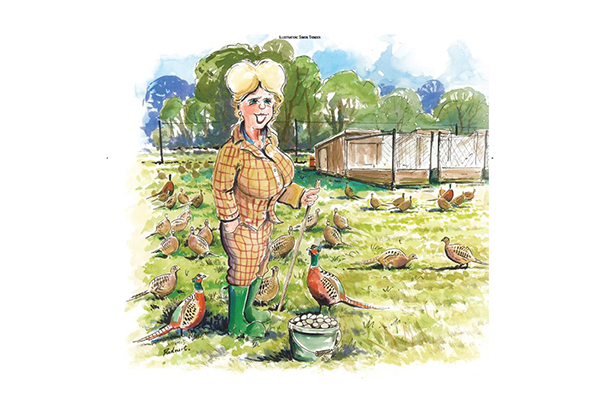
No such thing as 9 to 5 gamekeepers
BASC provides support across a range of issues for members with a variety of specialist requirements, as Gareth Dockerty explains.

Get information on the legal shooting season for mammals and birds in the UK.
Apply for funding for your project or make a donation today

Comprehensive information and advice from our specialist firearms team.

Everything you need to know about shotgun, rifle and airgun ammunition.

Find our up-to-date information, advice and links to government resources.

Everything you need to know on firearms law and licensing.
All the latest news and advice on general licences and how they affect you.
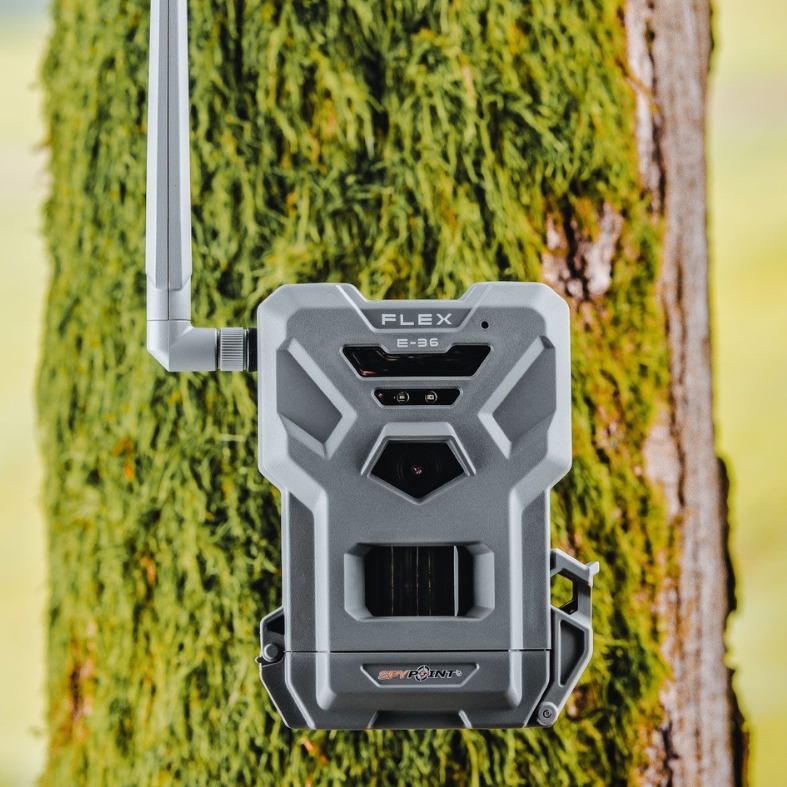

BASC scientific advisor Sophie Stafford looks at trail cams and their usefulness in shooting and conservation.
Throughout the entire year and all across the globe, there are many animals that are active both during the day and at night that we remain blissfully unaware of.
In fact, research published in 2011 (How Many Species Are There on Earth and in the Ocean?) estimated that only 15 per cent of the species that currently exist in the world, and nine per cent of sea-dwelling creatures, have been fully described by scientists.
So, what can we do to learn more about the more elusive wildlife we share the our planet with? Well, there are many techniques used by researchers. These include field observations by eye, biological assessments of anatomy, capture and tagging to study movement, and laboratory studies for more complex behaviours, to name just a few.
The technique I’d like to tell you about is camera traps, or trail cams as they are often known. This wonderful invention was first developed for wildlife monitoring and research purposes in the early 20th century, and since then these contraptions have become increasingly clever.
Some of the many features include:
Within the shooting community trail cams are commonly used for monitoring the movement of deer, pest and predator species, or specific areas of activity. They have become a useful piece of kit for gamekeepers, deer managers, pest controllers and recreational shooters.
Trail cams are also widely used by researchers to monitor biodiversity, species abundance in a local area, different behaviours of a species such as foraging and hunting, nocturnal activity, or the interactions between predators and prey. Shooting, conservation and research go hand-in-hand and trail cams can be a vital bit of kit for citizen science projects.
Trail cams are widely used in various large-scale projects which often rely on citizen scientists to participate in installing and checking camera traps and submitting images to databases where researchers or artificial intelligence systems can analyse them. These include the the LifePlan project which aims to create an inventory of the global state of biodiversity.
BASC is involved with the international duck nest monitoring project, through the Waterfowlers’ Network, and we have built, funded or helped place 1000s of duck nest tubes across the country. Now we need to know how many are being used and what happens after fledglings leave the nest, and trail cams are the perfect tool for the job.
Their ability to unobtrusively observe and monitor nesting behaviour and duckling survival is invaluable. There are many potential factors that can influence breeding success in waterfowl such as food availability, habitat quality, and predation pressure. The latter is notoriously difficult to monitor, and this is where trail cams can come in handy.
If you have breeding ducks or waders on your land you can install them close by to nesting areas on fence posts or trees to get a better understanding of what your visitors get up to when you’re not looking.
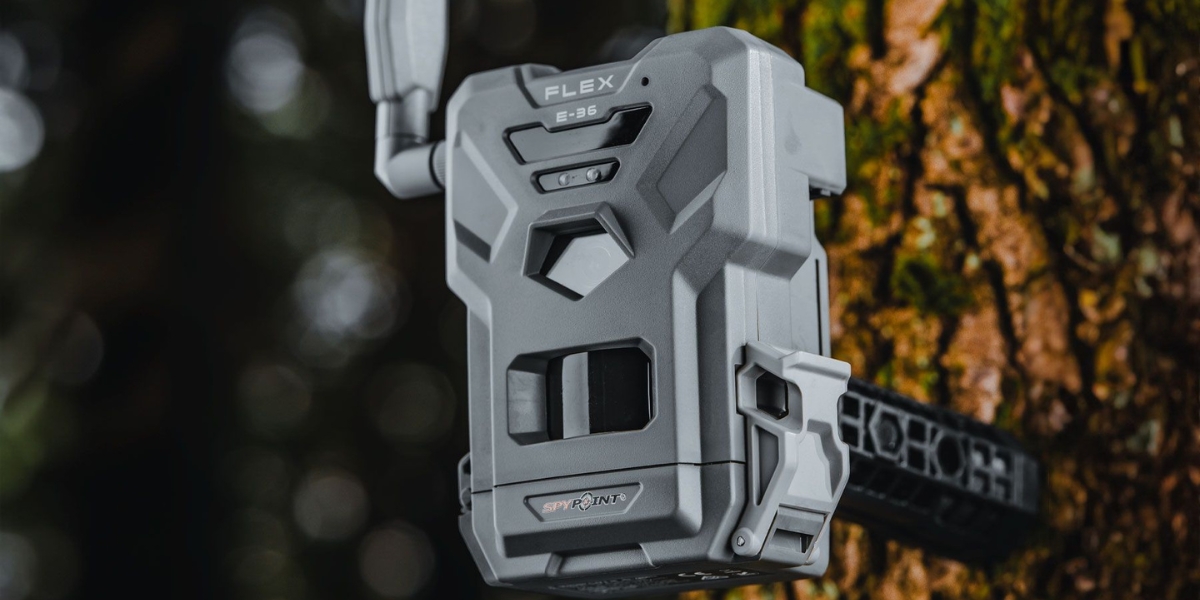
If you are interested in knowing what your wild neighbours get up to or want to contribute to researchers trying to gather information about the world’s biodiversity, there are many different options. Trail cams are widely available to buy, with models available for a range of budgets and uses. Many of our trade members offer discounts to BASC members, so have a look around for a deal.
If you are involved in our duck nest monitoring project, you could be in with a chance of winning a top-quality SpyPoint trail cam this year (pictured above). All you need to do is submit your duck nest monitoring data here before 23 September 2024 and select the option at the bottom of the form to be entered into the prize draw.
If you do not yet have duck nest tubes on your land or shoot and would like to know more about how, where and when to build them, visit our duck nest monitoring project page here.

BASC provides support across a range of issues for members with a variety of specialist requirements, as Gareth Dockerty explains.
The Duck Nest Monitoring Project enjoyed a successful year in 2021; find out how you can get involved, including our calendar of what to do and when.
Read our winter update on BASC conservation projects, including how you can get involved.
We use cookies to improve your experience on our site. By using our site, you consent to cookies.
Manage your cookie preferences below:
Essential cookies enable basic functions and are necessary for the proper function of the website.
These cookies are needed for adding comments on this website.
Google reCAPTCHA helps protect websites from spam and abuse by verifying user interactions through challenges.
Google Tag Manager simplifies the management of marketing tags on your website without code changes.
Statistics cookies collect information anonymously. This information helps us understand how visitors use our website.
Clarity is a web analytics service that tracks and reports website traffic.
Service URL: clarity.microsoft.com (opens in a new window)
You can find more information in our Cookie Policy and .